A separatist group in Yemen backed by the United Arab Emirates (UAE) agreed on Thursday to the deployment of forces that are aligned with Saudi Arabia to the southern region it captured last month
A separatist group in
Yemen backed by the
United Arab Emirates (UAE) agreed on Thursday to the deployment of forces that are aligned with
Saudi Arabia to the southern region it captured last month. Back in 2015, Saudi Arabia and the UAE entered the Yemen war to defeat the Iran-backed Houthis that had been dominating the country.
Their motive was to take down the Houthis and restore an internationally recognised government. However, things went downhill over their disagreement on Yemen’s future. While Saudi Arabia supported the central government, the UAE is helping to build the separatist group in the south.
In a statement on Thursday, the
Southern Transitional Council (STC) separatist group said it would continue to operate in Hadramout and al‑Mahra provinces, which they seized in December last year. However, they announced that they had agreed to the deployment of Saudi-backed National Shield government forces to those areas.
“Today, we launched an operation to integrate the southern National Shield forces so that they can assume the responsibilities and missions that fall to our armed forces,” the STC announced. The group maintained that they want to protect the progress made against the Houthis last month when the STC forces took control of those regions.
Why the region is crucial
It is pertinent to note that
Hadramout borders Saudi Arabia and is home to Yemen’s largest oil fields and the Dhabba oil terminal on the Arabian Sea. Meanwhile, Al-Mahra has crucial routes for new oil pipelines that will allow Saudi oil exports to bypass the
Strait of Hormuz.
For years, the Strait has been a major chokepoint for global oil trade, which both Iran and Houthis have threatened to blockade in the past. The Saudi government has repeatedly urged the STC to withdraw from the two territories, particularly areas along its southern border, to protect its national security.
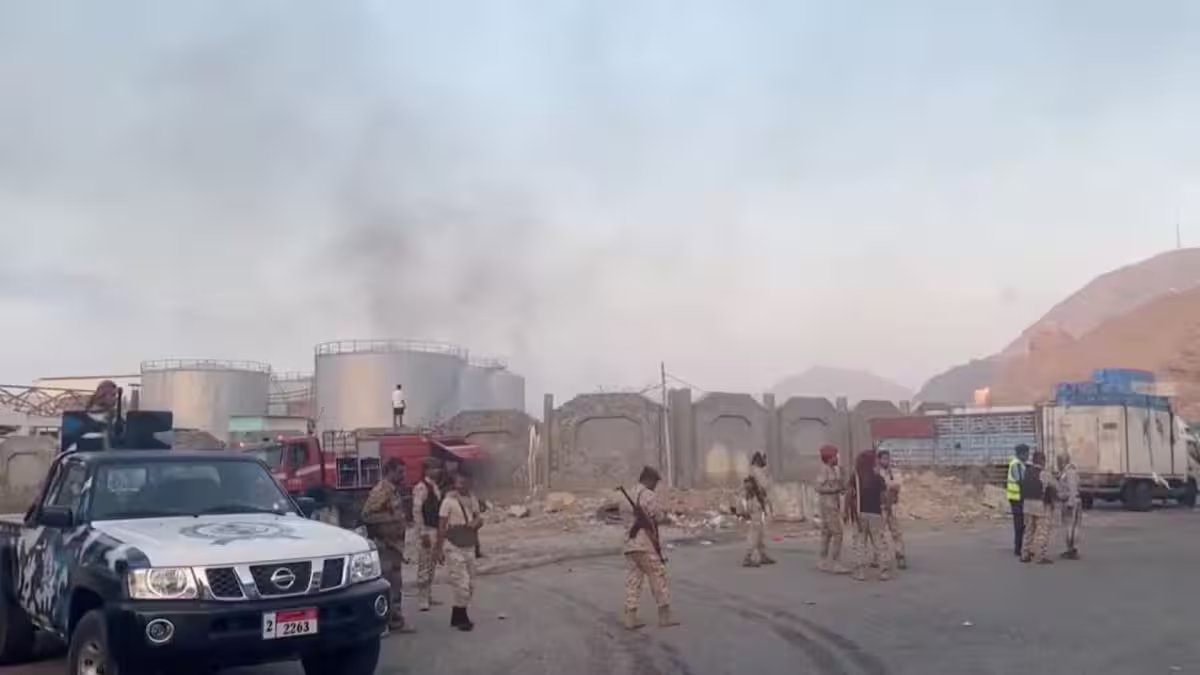
Tensions between the two Gulf nations further escalated on Tuesday after the Saudi‑led coalition in Yemen struck what it said was a shipment of Emirati weapons bound for separatist forces at the
port of Mukalla, which sits in Hadramout.
Meanwhile, the UAE has rejected the allegation and called for STC fighters to pull back from the territory they recently seized. The UAE’s Defence Ministry later said it would
withdraw its last remaining troops in Yemen. It is pertinent to note that most UAE troops left the war-ravaged country in 2019. However, the tensions remain ripe in the region.
End of Article