Trump on Friday rejected recognising Somaliland, questioning, “Does anyone know what Somaliland is, really?.” The statement came after Israel became the first country to formally acknowledge the territory
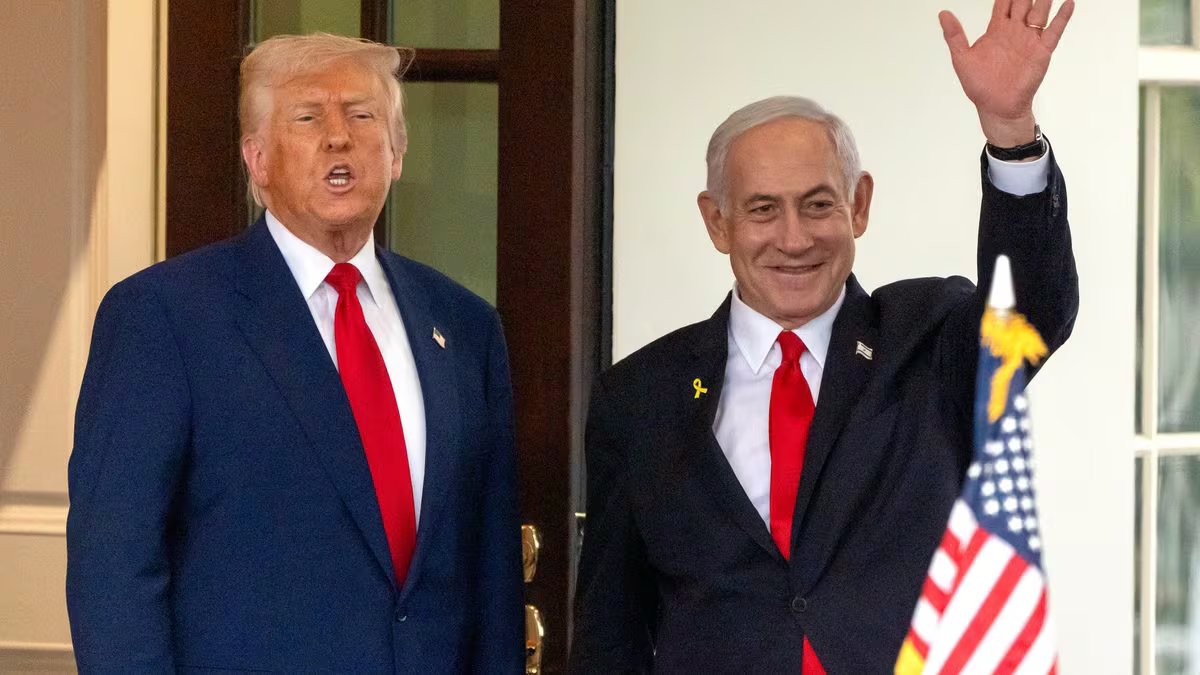
US President Donald Trump on Friday said he opposed recognising Somaliland in an interview with the New York Post, following Israeli Prime Minister Benjamin Netanyahu’s announcement that Israel would formally acknowledge the territory.
“No,” Trump told the Post when asked about US recognition, adding: “Does anyone know what Somaliland is, really?”
The announcement drew sharp criticism from Somalia and the African Union (AU) after Israel became the first country to recognise Somaliland as an “independent and sovereign state.”
Somaliland declared independence from Somalia in 1991 and has long sought international recognition, a priority for President Abdirahman Mohamed Abdullahi since he took office last year.
Somalia’s foreign ministry condemned Israel’s move as a “deliberate attack” on its sovereignty, warning it could destabilise the region. The AU also voiced strong opposition, cautioning that undermining Somalia’s unity and territorial integrity “risks setting a dangerous precedent with far-reaching implications for peace and stability across the continent.”
Mahamoud Ali Youssouf, head of the AU, emphasised that Somaliland “remains an integral part of the Federal Republic of Somalia.”
Israel’s recognition and Netanyahu-Abdullahi call
Netanyahu’s office confirmed the recognition, describing it as “in the spirit of the Abraham Accords” — agreements brokered during Trump’s presidency that normalised Israel’s relations with several Arab nations. Netanyahu invited Abdullahi to visit Israel, calling the recognition “historic” and promising economic opportunities.
Abdullahi welcomed the announcement as the start of a “strategic partnership” and affirmed Somaliland’s readiness to join the Abraham Accords. In the capital, Hargeisa, residents celebrated in the streets, waving Somaliland’s flags.
Regional condemnation
Turkey, a key ally of Somalia, criticised Israel’s move as “overt interference in Somalia’s domestic affairs.” Egypt also condemned the recognition, coordinating with Turkey, Somalia and Djibouti to stress “full support for the unity, sovereignty and territorial integrity of Somalia.”
Somaliland’s strategic significance
Somaliland functions as a self-declared republic with its own currency, passports, and armed forces. Its strategic location on the Gulf of Aden has long attracted regional and international attention.
Analysts say Israel’s recognition is motivated by strategic considerations, including the need for allies in the Red Sea region amid potential operations against Yemen’s Iran-backed Houthi rebels. Israel has carried out strikes in Yemen following Houthi attacks linked to the Gaza conflict in 2023.
Economic and political context
Despite operating as a de facto state, Somaliland’s lack of international recognition has limited access to foreign loans, aid, and investment, keeping the region impoverished. A 2024 agreement with Ethiopia to lease a stretch of coastline for a port and military base had already provoked Somalia’s ire.
Israel has been seeking to strengthen ties across the Middle East and Africa. While historic agreements in 2020 under Trump normalised relations with several countries, ongoing conflicts — particularly in Gaza — have complicated Israel’s diplomatic ambitions in the region.
End of Article