Batra highlighted that supportive government policies are a key driver of this optimism. “What keeps us excited is that policy is working at the forefront, be it on the monetary term, fiscal term, and most exciting is on the regulatory easing front,” he said. He pointed to ongoing discussions around foreign direct investment (FDI) in sectors like insurance and nuclear as positive signals for long-term investors.
A significant point of concern for foreign investors has been the recent weakness in the Indian rupee. Batra acknowledged the loss of confidence, evidenced by month-to-date net outflows of $1.6 billion from Indian equities and debt. However, he described the currency’s depreciation as both ‘inevitable and desirable.’ He argued that a weaker rupee is necessary to offset US tariffs and make Chinese imports more expensive, thereby supporting domestic economic growth and exporters. Batra believes a calibrated depreciation to a range of 89-91 per dollar is manageable and should not cause excessive worry, given India’s low inflation and external debt levels.
Addressing whether a projected 13-14% earnings growth for calendar years 2026 and 2027 would be sufficient to attract foreign capital, Batra was confident. He contrasted India’s tangible earnings growth with the global ‘hope trade’ surrounding artificial intelligence (AI), which has yet to translate into significant revenues. Furthermore, he stated that India’s valuation premium to emerging markets has narrowed from 100% to 50%, offering a more attractive entry point for investors.
Also Read: PVR INOX gets short-term relief from big films; south expansion remains key: Karan Taurani
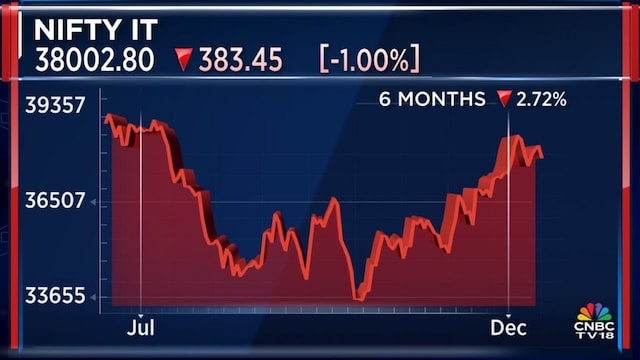
However, Batra expressed caution on the technology sector. JPMorgan remains underweight on Indian IT, citing several concerns. He pointed out that valuations are not ‘dirt cheap,’ and trailing 12-month earnings growth is anaemic at just 2-4%. “You need close to around 10 to 12% kind of an earnings growth that makes a ratio less than two for Indian IT, and that will bring the case back for the Indian IT sector,” he explained. He also expressed reservations about the global AI theme, questioning its monetisation potential given the massive capital expenditure relative to current revenues.
For investors looking at India, Batra’s top recommendation is the domestic demand theme, which he believes is supported by policy easing and social welfare measures ahead of state elections. Within this theme, he favours financialisation of savings, premiumisation, and the transition to new-age capital expenditure in areas like electronics manufacturing services (EMS), robotics, and defence.
Also Read: Narayana Health eyes low single-digit price hikes despite wage pressure
From a sectoral perspective, JPMorgan is bullish on materials, financials, and consumer discretionary. Within consumption, the preference is for food and beverage companies over home and personal care (HPC) in the staples category, and autos, quick-service restaurants (QSRs), and retailers in the discretionary space.
For the entire interview, watch the accompanying video