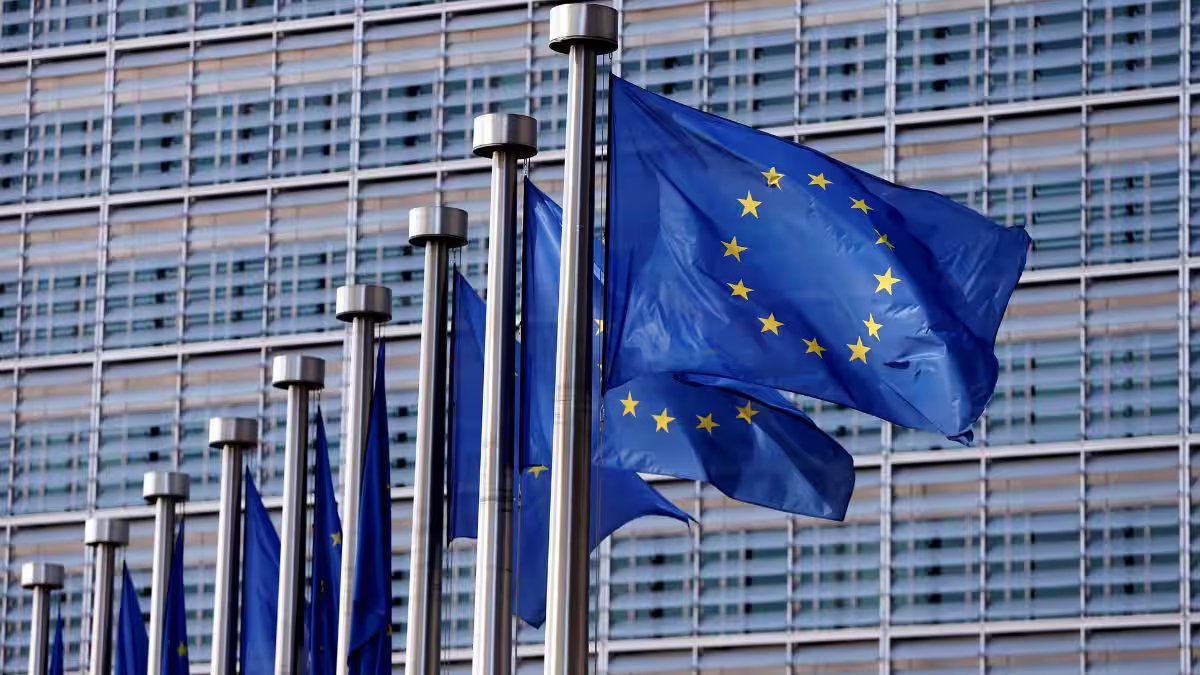
The ban on long-term contracts will apply from November 1, 2027, at the latest for gas delivered by pipelines and from January 1, 202,7, for liquified natural gas (LNG)
The European Union has announced that it would roll out a ban on Russian gas imports into all member countries by 2027.
The accord marks a compromise between the member states and the European Parliament, which wanted the ban to come in sooner.
“Today, the Council presidency and the European Parliament’s representatives reached a provisional agreement on the regulation to phase out imports of Russian natural gas,” said a European Council statement.
The move aims “to end dependency on Russian energy following Russia’s weaponisation of gas supplies with significant effects on the European energy market”, it said.
When will the ban come into effect?
The ban on long-term contracts will apply from November 1, 2027, at the latest for gas delivered by pipelines and from January 1, 2027, for liquified natural gas (LNG).
For short-term contracts, the ban will come in from April 25, 2026, for LNG and from June 17, 2026, for pipeline gas.
The timeline must get final approval from the European Parliament and member states.
Russian asset to be used for Ukraine
Meanwhile, the Russian Commission is moving ahead with a plan to make a legal proposal this week to use frozen Russian assets to fund Ukraine while also leaving open the possibility of borrowing on financial markets or mixing the two options, according to a report by Reuters.
In October, the commission decided to meet Ukraine’s “pressing financial needs” by streamlining Russia’s frozen assets into the country. However, the plan to use 140 billion euros ($162 billion) in frozen Russian sovereign assets in Europe as a loan for Kyiv never materialised due to issues raised by Belgium.
Most of the Russian assets frozen in Europe are in the accounts of Belgian securities depository Euroclear and the Belgian government has repeatedly raised concerns about legal risks.
Under the Commission’s plan, Ukraine would only need to repay the loan if Russia pays reparations for damage caused by waging war against its neighbour.
The European Union’s executive is expected to adopt the proposal on Wednesday that includes its favoured plan for a reparations loan linked to the cash balances of Russia’s immobilised central bank assets.
With inputs from agencies
End of Article